
25 June 2026 · Bhau Bhau Biscuits
What to Keep in Your Bag for Feeding Street Dogs (Feeder Kit Checklist)
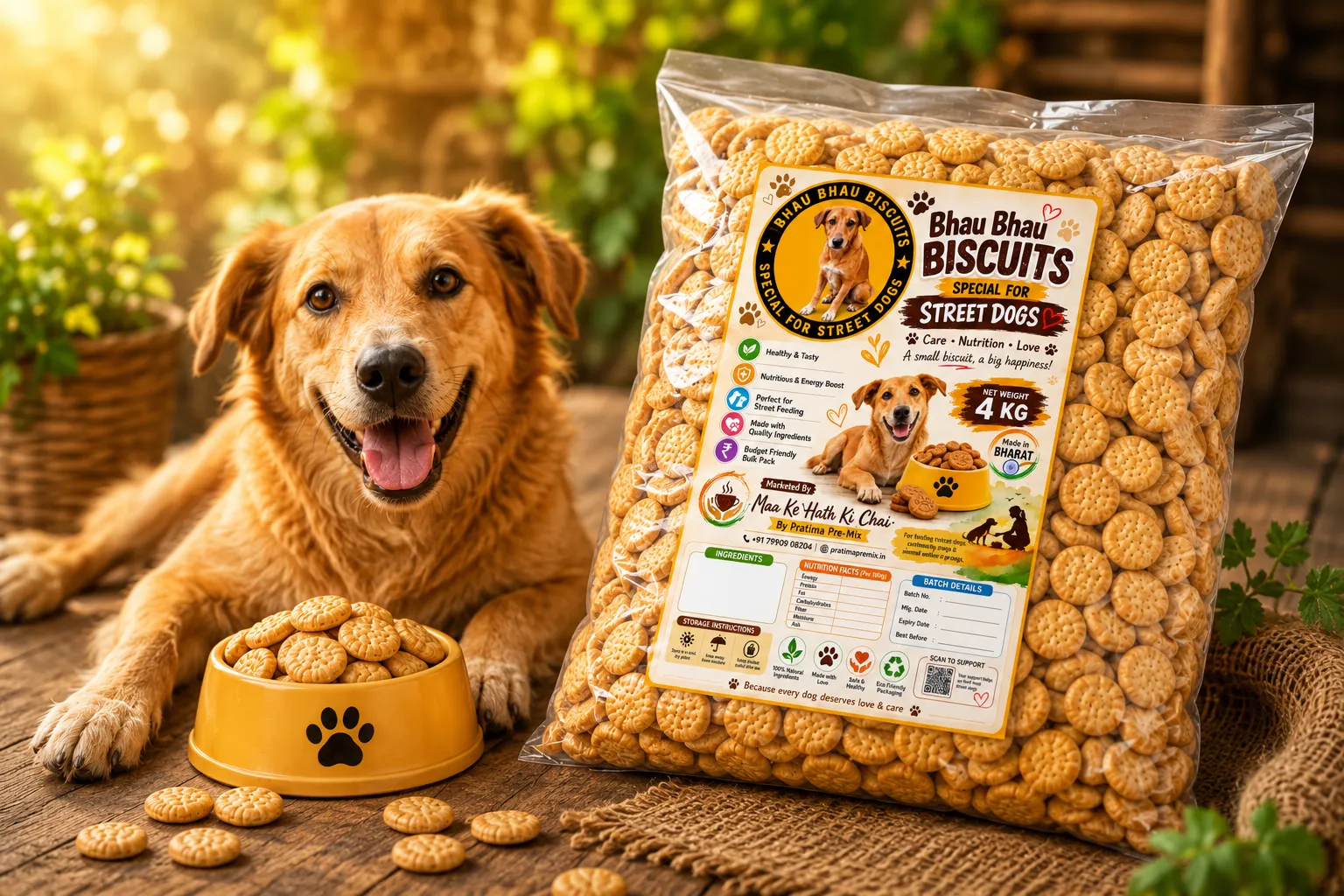
A good street dog feeder's bag should hold dry biscuits or food, a foldable water bowl, a bottle of clean water, disposable gloves, wet wipes, a basic first-aid pouch, a torch, and treats to build trust. Pack light but ready: these essentials let you feed safely, offer water, and handle small situations without rushing home for supplies.
Why does a dedicated feeder kit matter?
When everything you need lives in one bag, feeding becomes quick, calm and consistent. You won't skip a round because you forgot a bowl, and you can respond to a thirsty or lightly hurt dog on the spot.
A ready kit also keeps things hygienic for you and safer for the dogs. Let's go through what belongs inside, item by item.
What food and water should I carry?
Dry biscuits or packaged food
Dry food is the backbone of any feeder kit — it doesn't spoil, doesn't leak, and is easy to portion. A handful per dog is enough for a top-up feed. Bhau Bhau's 4 KG vegetarian biscuit pack is 100% vegetarian and travels well in a sealed pouch in your bag.
Water and a foldable bowl
Water matters as much as food, especially in Indian summers. Carry a bottle of clean water and a lightweight collapsible bowl. If you feed several spots, leave a sturdy bowl at each one and just top it up.
What hygiene and safety items do I need?
- Disposable gloves for handling food, cleaning bowls, or touching a dog with a skin issue.
- Wet wipes and hand sanitiser to clean your hands after each round.
- A small dustbin bag so you can clear leftover packaging and keep feeding spots tidy — this also keeps neighbours happy.
What should be in the first-aid pouch?
Keep this simple. You are not a vet, but you can offer basic comfort and buy time until professional help arrives.
- Antiseptic liquid and cotton for cleaning a minor scrape.
- Gauze and a roll of bandage.
- Tick powder or spray, useful in tick season.
- A pair of blunt-tip scissors.
- Saved numbers for your nearest vet and animal NGO.
For anything beyond a small surface wound — deep cuts, limping, fever, or a dog in pain — do not self-treat. Note the location and call a vet or rescue NGO right away.
What extras make feeding easier?
- Trust-building treats: a few extra biscuits to win over shy or new dogs.
- A torch or headlamp for early-morning or late-evening rounds.
- A reflective band or bright clothing if you feed near traffic at night.
- A small notebook or phone notes to track which dogs are sterilised, pregnant, or unwell.
- A spare cloth or old towel to dry a wet bowl or comfort a scared pup.
How do I keep the kit organised?
Use a sturdy backpack or a tote with inner pockets. Keep food sealed and separate from the first-aid pouch. Refill water and biscuits before every round so you're never caught short.
If you feed many dogs, buying food in bulk and decanting a day's portion into your bag is cheapest and easiest — our guide to monthly feeding costs shows how bulk packs stretch your budget.
Frequently asked questions
Do I really need gloves to feed street dogs?
For simply placing biscuits down, clean hands and sanitiser are usually fine. Gloves matter when you clean bowls, handle a dog with a skin condition, or assist with first aid.
How much food should I keep in the bag each day?
Carry enough for your regular dogs plus a little extra for newcomers. A daily portion of dry biscuits is light and won't spoil, so a small surplus is sensible.
Can I leave water bowls out permanently?
Yes, and you should, especially in summer. Place sturdy bowls in shade at each feeding spot and refill them daily. Just keep them clean to avoid mosquitoes and algae.
The single most important thing in any feeder's bag is good, safe food — so start there. A Bhau Bhau 4 KG vegetarian biscuit pack at ₹500 is 100% vegetarian and is delivered free anywhere in India. Stock your kit, fill your bowls, and keep your community's dogs fed and cared for every single day.