
25 June 2026 · Bhau Bhau Biscuits
How NGOs Can Run a Sustainable Street Dog Feeding Program
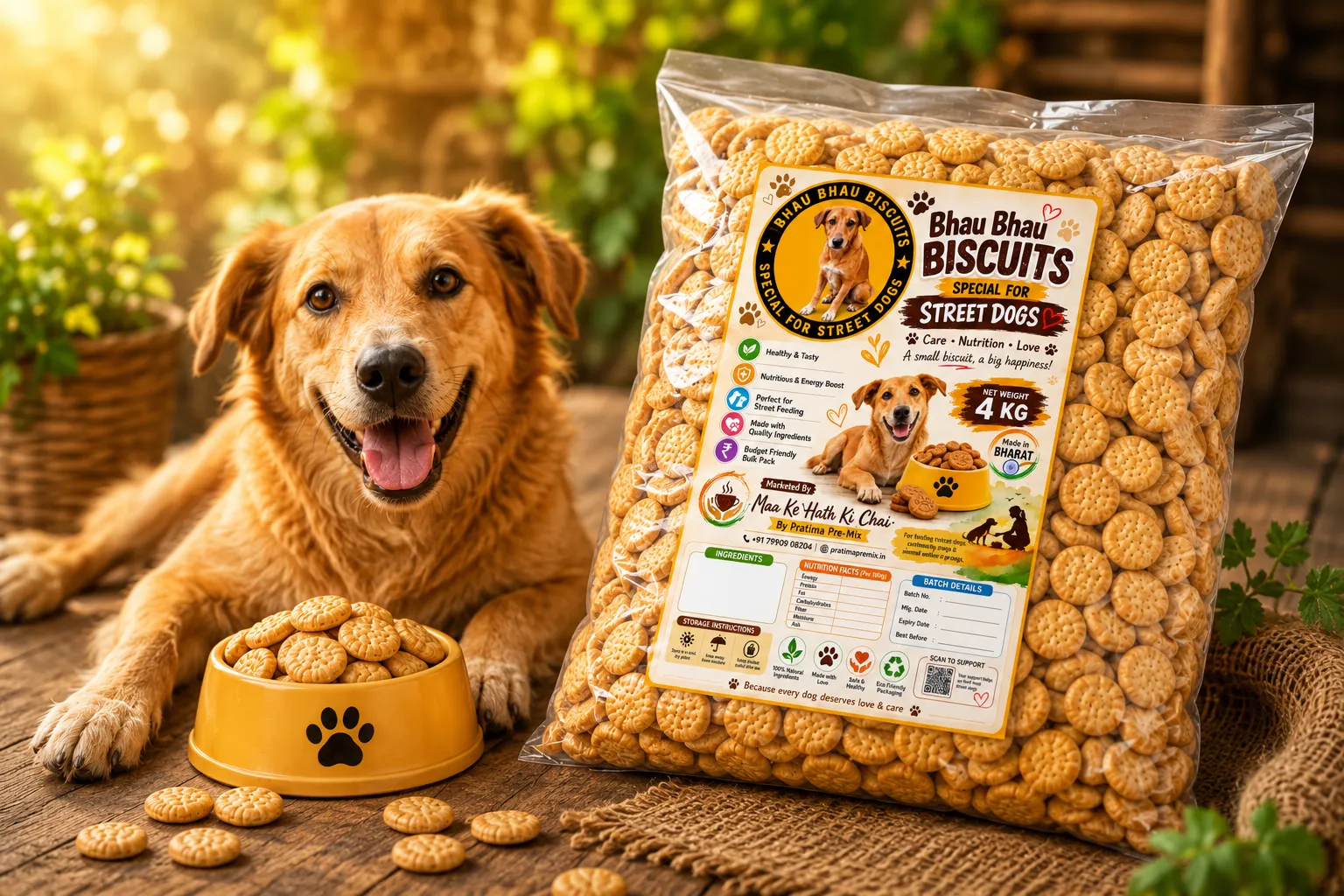
To run a sustainable stray dog feeding program, an NGO needs four systems: steady funding, a volunteer roster with backups, fixed route maps, and simple record-keeping. Use dry bulk biscuits to cut cost and effort, and track dogs fed and spending so the program survives staff changes and lean months.
Plenty of feeding programs start with enthusiasm and fade within a year. The ones that last are not the ones with the most passion — they are the ones with the best systems. For a street dog, consistency is survival, so an NGO's real job is to make feeding boringly reliable.
How do you fund a feeding program sustainably?
A program built on one big donor or one founder's pocket is fragile. Spread your income so a single setback cannot stop the food.
- Recurring micro-donations: many donors giving ₹100–500 monthly is steadier than rare lump sums.
- Sponsor-a-dog: let supporters fund a named dog's meals each month.
- Local partnerships: shops, clinics and societies can co-fund their area's dogs.
- Bulk buying: lowering cost per dog stretches every rupee further.
Keep at least one or two months of food costs in reserve so a slow fundraising month never means hungry dogs.
How do you build a reliable volunteer roster?
Volunteers are the engine of any feeding program, and burnout is the main threat to it.
Create a written roster
Assign each route a primary feeder and a named backup. A simple shared schedule means everyone knows who feeds where and when, and gaps are spotted instantly.
Keep the workload humane
Short routes near each volunteer's home, taking 15–20 minutes, are the ones people sustain for years. Rotate occasionally so multiple people know each route.
Recognise and retain
Thank volunteers publicly, share recovery stories, and never guilt-trip a missed day. If you are still recruiting, our guide to starting a feeding drive covers where to find committed people.
Why do route maps matter for a feeding program?
Route maps turn good intentions into reliable coverage. Without them, some dogs get fed twice and others not at all.
- Map every dog and pack with its location and any special needs.
- Divide your area into fixed routes with set feeding spots and times.
- Mark sterilised, vaccinated, pregnant and unwell dogs on the map.
- Update the map as dogs move, are born, sterilised or pass away.
A clear map also makes handovers painless when a volunteer leaves, protecting the program from disruption.
What records should an NGO keep?
Good records prove impact to donors and catch problems early. They need not be complicated.
- Feeding logs: dogs fed per route per day, even a quick tally.
- Health notes: injuries, illnesses, sterilisations and vet referrals.
- Finances: donations received and money spent on food and care.
- Inventory: biscuit stock in and out, so you reorder before running short.
These records are also your strongest fundraising tool — donors give more readily when they can see exactly how many dogs their money fed.
How do you keep costs and effort low at scale?
Sustainability is as much about effort as money. The less labour each meal takes, the longer the program survives.
Dry biscuits remove cooking, spoilage and most of the mess. Buying them in bulk lowers the per-dog cost dramatically and lets a small team feed a large area. Our 4 KG vegetarian dog biscuit pack is built for exactly this — 100% vegetarian, easy to portion, and available with all-India delivery so your stores never run dry. For the storage and ordering side of large-scale feeding, see our guide on bulk feeding for NGOs, and review how delivery works to set a reliable supply cycle.
Frequently asked questions
What is the biggest reason feeding programs fail?
Volunteer burnout and unpredictable funding. Programs that keep routes short, maintain backup feeders, and build steady recurring donations are the ones that last for years.
Do feeding programs need to register as an NGO?
Informal community groups can run feeding effectively, but registering as a trust or society helps with formal donations, partnerships and accountability once you scale. It also makes record-keeping and fundraising easier.
How do route maps help when volunteers leave?
A clear map with each dog's location and needs means a new volunteer can take over a route immediately, so the dogs never miss meals during a handover.
A feeding program that lasts is the greatest gift you can give your city's street dogs. Build yours on dependable supply: the 100% vegetarian Bhau Bhau 4 KG biscuit pack at ₹500, with all-India delivery. Set up a standing order, plug it into your routes, and let your team focus on the dogs while we keep the food coming.